


Why Hill Country Homes Are Vulnerable to Slab Leaks
Understanding why your home is vulnerable is the first step to protecting it. In Hunt, Kerrville, Boerne, and Fredericksburg, our homes sit on unique geological formations that, while beautiful, present severe challenges to underground plumbing. When water lines are poured directly into a concrete foundation, they are subjected to constant external forces.
If you suspect you already have an issue, early help with slab leak detection and repair can prevent a small hidden leak from turning into catastrophic structural damage. Let’s look at the three main regional culprits behind these failures.
Geological Shifts and Expansive Clay Soils
The Texas Hill Country sits on the Edwards Plateau, characterized by shallow rocky soils, limestone bedrock, and pockets of highly expansive clay. This clay soil acts like a sponge: during heavy rain cycles, it expands dramatically, and during our frequent Texas droughts, it shrinks and cracks.
This constant cycle of expansion and contraction causes significant soil movement beneath your concrete slab. As the ground shifts, it places immense structural stress on the rigid copper or galvanized steel pipes embedded in or running beneath the concrete. Over time, this foundation stress can bend, crimp, or crack your plumbing lines.
Hard Water Corrosion from the Edwards Aquifer
While the Edwards Aquifer provides us with vital water, it also delivers incredibly high mineral concentrations of calcium and magnesium. In Boerne and surrounding areas, water hardness can reach up to 358 mg/L.
This extreme hardness leads to rapid scale buildup inside your pipes, which constricts water flow and increases internal pressure. Even worse, the unique water chemistry of the region accelerates copper pipe corrosion. The minerals react with the metal, pitting the interior walls of your plumbing and eventually creating tiny, pressurized pinhole leaks that spray water directly into your concrete slab.
Temperature Fluctuations and Thermal Expansion
Our local climate features dramatic temperature swings, both seasonally and daily. These temperature fluctuations directly affect the ground temperature and the concrete slab itself.
When hot water lines under the slab carry hot water, they experience thermal expansion, growing slightly in size. When the water cools, they contract. If a pipe is tightly encased in concrete without proper sleeves, this constant expansion and contraction causes the pipe to rub against the abrasive concrete or rocky soil. This friction eventually wears thin spots in the pipe walls, leading to a rupture.
Proactive Steps to Prevent Slab Leaks Hill Country Homeowners Can Take
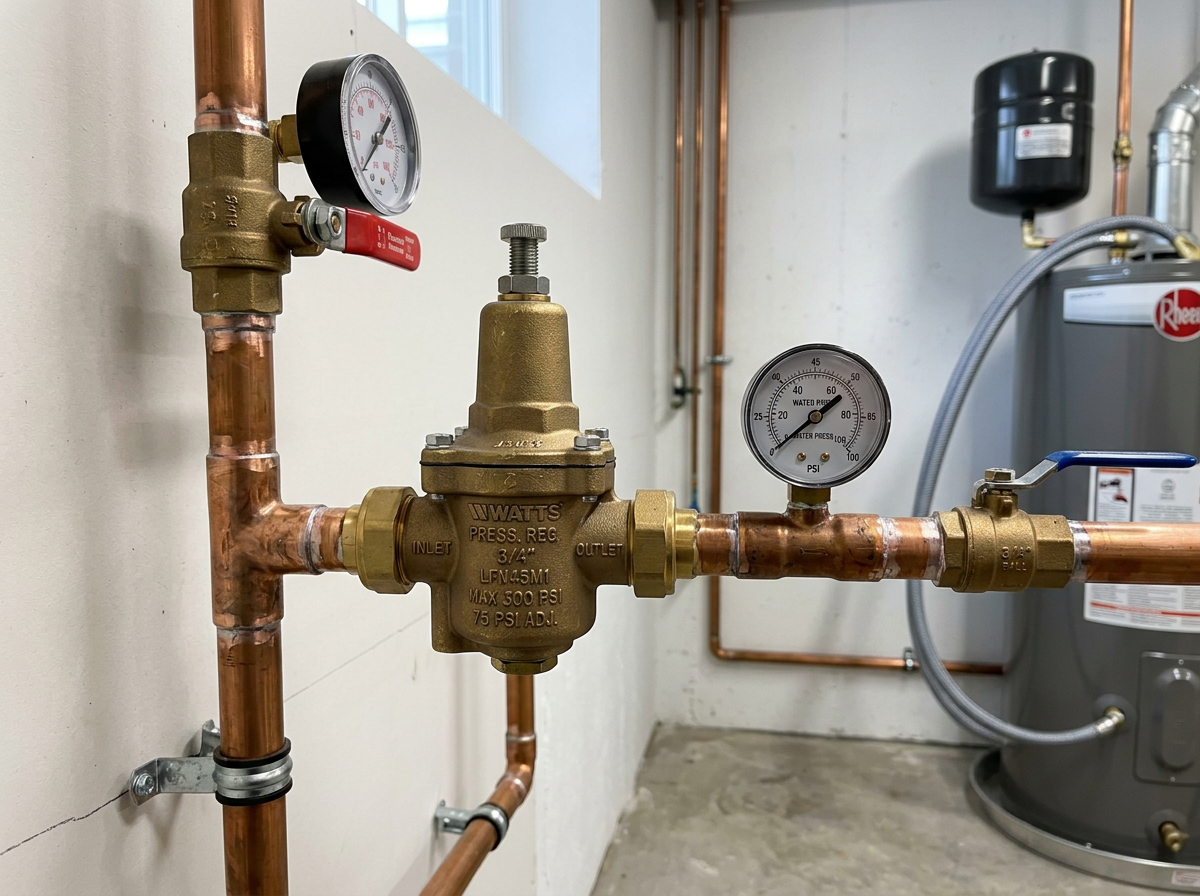
While the geological and chemical forces in Hunt, Texas, are powerful, you are not helpless. By taking a few proactive, preventive measures, you can dramatically lower your risk of a plumbing disaster. Implementing these strategies will protect your home and keep your plumbing system running smoothly for decades.
Homeowners who want to reduce seasonal plumbing risks can use practical leak-prevention habits throughout the year, especially before heavy spring rain or dry summer soil movement. Our blog on spring tips to prevent leaks and water damage explains how routine maintenance, fixture checks, and early moisture control can help protect Hill Country homes.
Maintain Safe Water Pressure Levels
High water pressure might feel great in the shower, but it is a silent killer for your plumbing joints. Municipal water systems or private wells can experience sudden pressure spikes, sending water rushing through your pipes at over 80 PSI (pounds per square inch).
To protect your home, we recommend installing a high-quality water pressure regulator (or pressure-reducing valve) to keep your home’s water pressure consistently between 40–60 PSI. This simple device absorbs pressure spikes, reducing stress on your underground pipe joints and preventing the physical wear that leads to slab leaks.
Use Water Treatment to Prevent Slab Leaks Hill Country
Since hard water is one of the primary drivers of pipe degradation in our region, installing a water treatment system is a highly effective defense. A salt-based ion exchange water softener replaces calcium and magnesium ions with sodium ions, neutralizing the water’s corrosive properties.
By eliminating scale buildup, you can reduce copper pipe corrosion rates by up to 80%. This not only protects your under-slab pipes but also extends the life of your water heater, washing machine, and dishwasher. In fact, appliances operating in very hard water conditions can consume up to 30% more energy due to mineral scale insulation; soft water keeps them running efficiently.
Strategic Piping Upgrades and PEX Conversions
If you own an older home built between the 1970s and 1990s, your plumbing likely consists of rigid copper or galvanized steel. These materials are highly susceptible to the corrosive hard water and shifting soils of the Hill Country.
Older plumbing systems often need a closer look because pipe age, material, and previous repairs all affect slab leak risk. Our article on slab leak detection issues in older houses explains why aging homes in the Hill Country deserve extra attention before small pressure changes become larger foundation problems.
When remodeling or replacing old lines, upgrading to PEX (cross-linked polyethylene) piping is the gold standard. PEX is incredibly flexible, allowing it to bend and shift naturally with soil movement without breaking. Furthermore, PEX is completely immune to chemical corrosion and pinhole leaks caused by hard water, making it the ultimate long-term solution for Hill Country homes.
Spotting the Warning Signs Before Disaster Strikes
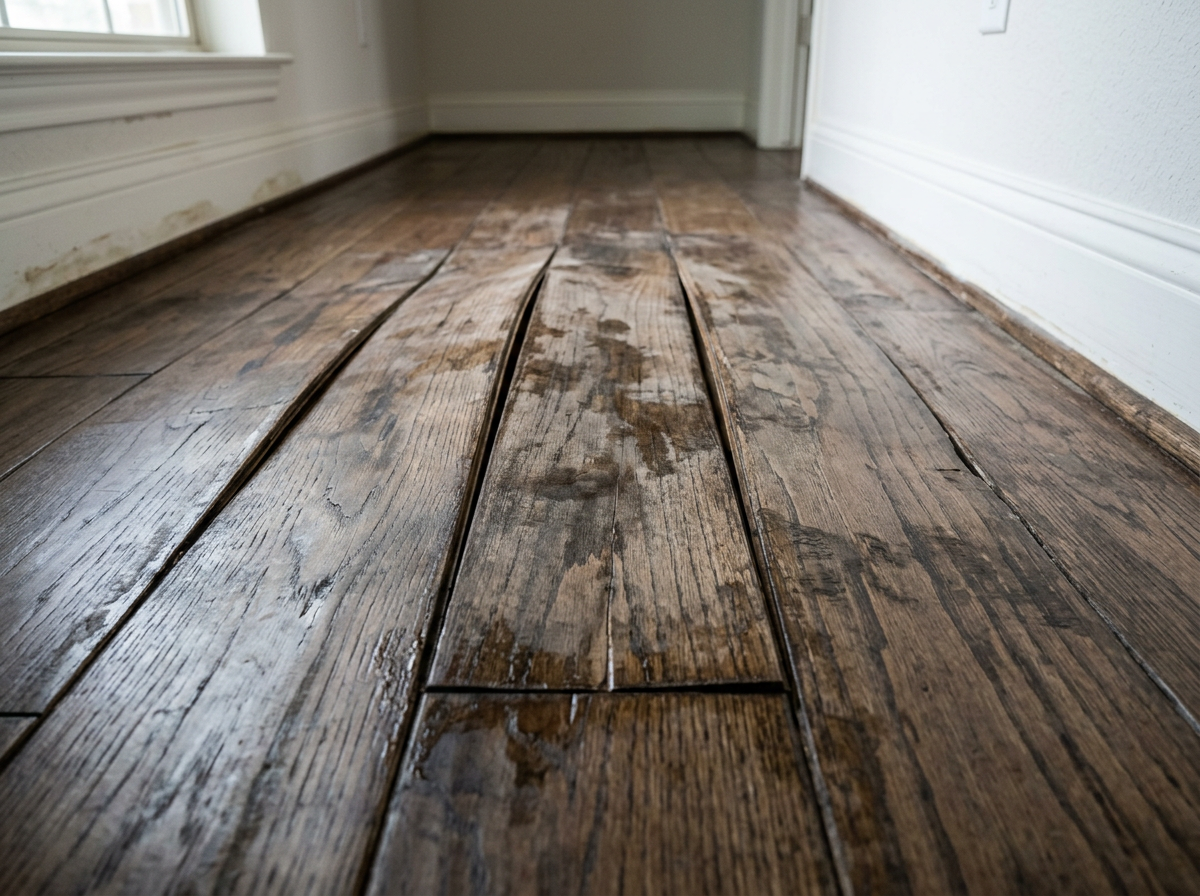
Even with prevention, every homeowner should know how to spot the early warning signs of a slab leak. Catching a leak early can mean the difference between a minor, localized repair and a multi-thousand-dollar foundation and flooring restoration.
Early Warning Signs to Prevent Slab Leaks Hill Country
Slab leaks are notoriously sneaky because they happen out of sight. However, they always leave clues. Watch out for these common warning signs:
- Unexplained Water Bill Spikes: A sudden, unexplained increase in your monthly water bill of 20% or more is often the first indicator of a hidden leak.
- Warm Spots on the Floor: If you walk barefoot across your tile or laminate floor and notice a localized warm spot, a hot water line beneath the concrete may be leaking.
- The Sound of Running Water: Hearing water trickling or rushing when all faucets, showers, and appliances are completely turned off is a major red flag.
- Sudden Drop in Water Pressure: A significant, unexplained drop in your home’s water pressure indicates water is escaping the system before it reaches your fixtures.
Homeowners can often avoid a plumbing emergency by acting as soon as these signs appear. Our blog on how to spot a slab leak before an emergency gives Hill Country homeowners a clearer sense of which symptoms deserve immediate attention.
The Hidden Risks of Ignoring an Active Leak
Ignoring a suspected slab leak in hopes that it will “go away” is a recipe for disaster. Over time, the escaping water will saturate the soil beneath your home. This can wash away the supporting dirt, causing the concrete foundation to crack, sink, or warp, leading to incredibly expensive structural failure.
Additionally, the rising moisture will seep into your drywall and flooring, creating a perfect breeding ground for toxic mold and mildew. When warning signs point to an active under-slab problem, professional slab leak repair services help locate the issue accurately and reduce the risk of further damage.
Non-Invasive Detection and Modern Repair Options
Gone are the days when plumbers had to guess where a leak was and blindly jackhammer your entire living room floor. Today, we use highly advanced, non-invasive technology to pinpoint leaks with absolute precision before any repair begins.
Advanced Non-Invasive Leak Detection Methods
At Holloway Plumbing, we utilize state-of-the-art equipment to locate under-slab issues without damaging your home. Our primary methods include:
- Acoustic Detectors: Highly sensitive ground microphones and acoustic headphones allow us to listen through concrete and pinpoint the distinct sound of pressurized water escaping a pipe.
- Thermal Imaging: Infrared cameras allow us to see heat signatures through your flooring, mapping out hot water leaks instantly.
- Pressure Testing & Video Inspections: Hydrostatic pressure testing confirms the integrity of your lines, while micro-cameras can be threaded through drain lines to visually inspect the interior of your pipes.
If you suspect a leak, scheduling professional slab leak detection is the most non-invasive way to get answers.
Comparing Slab Leak Repair Methods
Once a leak is located, we evaluate the best repair method for your home’s specific situation. Here is how the most common modern repair options compare:
| Repair Method | Description | Relative Cost | Disruption Level | Best For |
|---|---|---|---|---|
| Spot Repair | Jackhammering a small, precise area of concrete to repair the single leaking section of pipe. | Moderate | High (localized) | Newer plumbing systems with a single isolated leak. |
| Pipe Rerouting | Abandoning the leaking pipe under the slab and running a new PEX line through the walls or attic. | Moderate to High | Low | Older homes with corroded copper pipes where future leaks are likely. |
| Tunneling | Digging a tunnel underneath the foundation from the outside of the home to access and repair the pipe. | High | Very Low (interior) | Homes with high-end interior flooring that cannot be disturbed. |
| Epoxy Lining | Cleaning the inside of the pipe and applying an epoxy coating to seal pinhole leaks from within. | Moderate | Low | Long, straight runs of pipe with minor pinhole corrosion. |
Navigating Homeowners Insurance Coverage
One of the most common questions we get is, “Will my insurance cover this?” The answer is: it depends, but usually yes for the most expensive parts.
Most standard homeowners insurance policies do not cover the actual plumbing repair itself (e.g., soldering the pipe or replacing the PEX line). However, they almost always cover the “tear-out” costs, which include the expensive process of detecting the leak, jackhammering the concrete to access it, and restoring the flooring and concrete afterward. We highly recommend documenting the entire diagnostic process with photos and professional pressure test results to ensure a smooth insurance claim process.
Frequently Asked Questions About Slab Leaks
How often should I schedule professional plumbing inspections?
We highly recommend scheduling a professional plumbing inspection once a year. Annual inspections that include hydrostatic pressure testing, water pressure checks, and visual inspections of your water treatment systems allow us to catch tiny pressure irregularities or minor leaks before they turn into major foundation emergencies.
What is the most cost-effective slab leak repair method?
In the long run, pipe rerouting is often the most cost-effective method for older Hill Country homes. While a spot repair might seem cheaper initially, if your pipes are aging and corroded by hard water, you are highly likely to develop another slab leak nearby in the future. Rerouting the lines through your attic or walls permanently removes the plumbing from the destructive concrete environment, offering the best long-term value.
Can hard water really cause a slab leak?
Absolutely. The Edwards Aquifer’s high mineral content (calcium and magnesium) is highly corrosive to copper pipes. Over time, these minerals react with the copper, leading to interior pitting and localized pipe degradation. This process eventually creates tiny pinhole leaks that spray water directly under your concrete foundation, causing the soil to erode and your foundation to shift.
Conclusion
Preventing slab leaks in the Texas Hill Country requires a mix of geological awareness, consistent water pressure management, and proper water treatment. By keeping your water pressure in check, softening your water to combat Edwards Aquifer minerals, and knowing the early warning signs, you can protect your Hunt home from devastating foundation damage.
At Holloway Plumbing, we have spent nearly 50 years providing reliable, fast, and expert service to our neighbors in Hunt, Kerrville, Fredericksburg, Boerne, Bandera, Ingram, Fair Oaks Ranch, Comfort, and the surrounding Hill Country. Our team specializes in non-invasive leak detection and modern repair options tailored to the unique challenges of our local soil and water.
Don’t wait for a small leak to become a major structural emergency. Contact our professional slab leak repair technicians for a comprehensive inspection or immediate help protecting your home from hidden plumbing damage.